Never Risk What You Can't Lose
Only trade money that you can afford to lose completely. Never trade with borrowed money, emergency funds, or capital needed for living expenses. Emotional attachment to money you cannot afford to lose leads to poor decisions and cascading losses.
Risk Per Trade: 1–2%
Most professional traders risk no more than 1–2% of their total account balance on any single trade. This means a losing streak of 10 consecutive trades only reduces your account by 10–20% — painful but recoverable. Risking 10% per trade means 10 losers in a row wipes your account entirely.
Risk/Reward Ratio
Aim for a minimum 1:2 risk-to-reward ratio on every trade — for every dollar you risk, target at least two dollars of profit. At a 1:2 ratio, you only need to win 34% of your trades to break even. Most consistent traders win 40–55% of trades with a 1:2 or better ratio and stay profitable.
Essential Risk Tools
Stop Loss
A stop loss automatically closes your trade if the market moves against you by a specified amount. Place your stop loss at a logical level — below key support for a long trade, above key resistance for a short. Always set a stop loss before entering. Never move a stop loss to accommodate a losing trade.
Take Profit
A take profit order closes your trade automatically when price reaches your target level. It locks in gains without requiring you to monitor the trade and removes the temptation to hold winners too long. Set your take profit at a technically meaningful level — the next resistance level, a round number, or a Fibonacci extension.
Position Sizing
Position sizing determines how many units to trade so that your stop loss costs exactly the amount you are willing to risk. The formula: Position Size = (Account × Risk %) / (Entry − Stop Loss). Our platform shows estimated risk in currency terms on the order form so you can verify your exposure before confirming a trade.
Common Risk Mistakes
Moving Stop Losses
Moving a stop loss further away when a trade goes against you is one of the most common ways traders blow accounts. Set it and respect it.
Revenge Trading
After a loss, the urge to immediately trade again to "make it back" often leads to larger losses. Take a break after significant losses.
Over-Leveraging
Using maximum leverage on every trade exponentially increases risk. Start with low leverage until you are consistently profitable.
No Trading Plan
Entering trades without a clear plan for entry, exit, and position size is gambling, not trading. Always have a written plan.
Poor Diversification
Opening multiple correlated positions (e.g., several USD long positions) means one bad event can affect all trades simultaneously.
Position Sizing in Practice
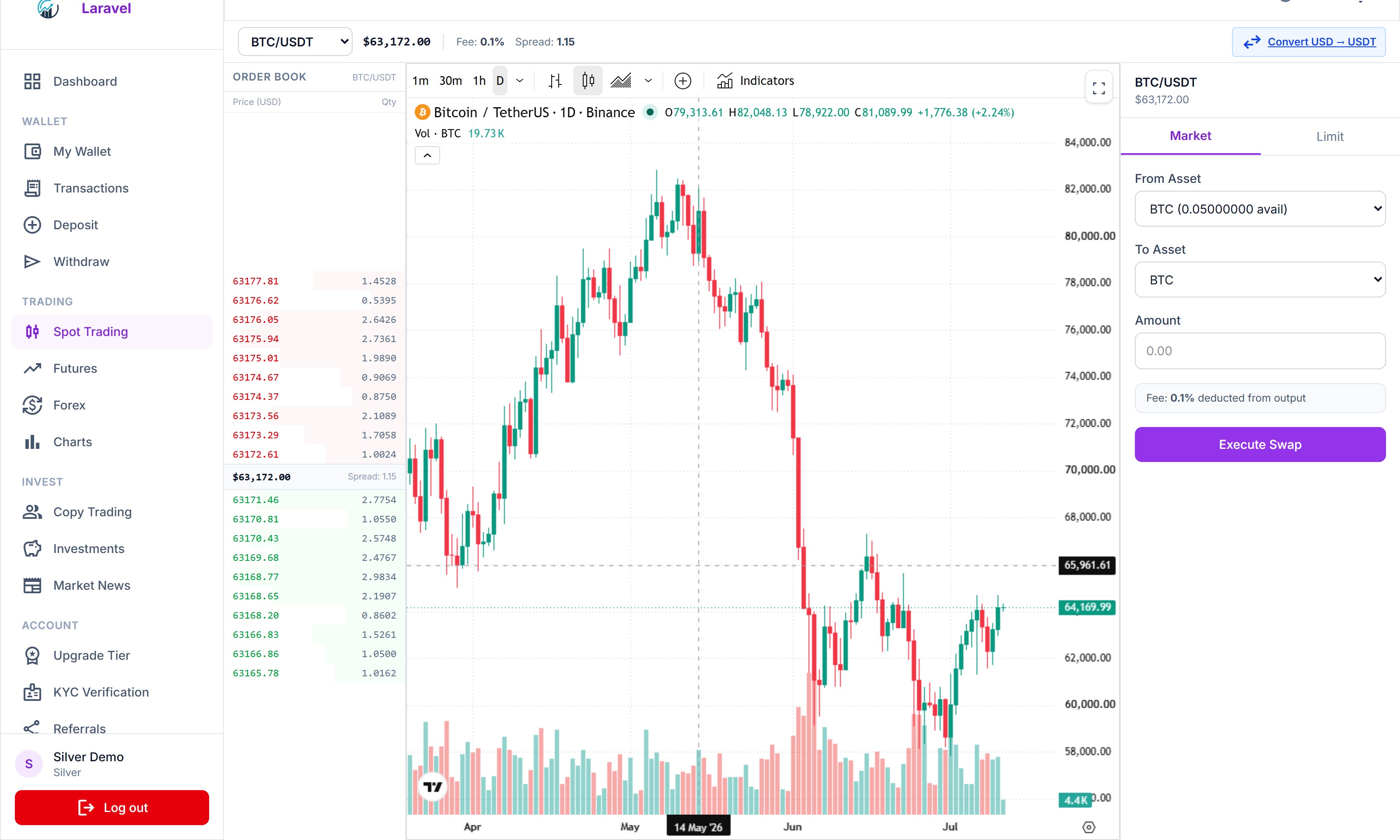
Position sizing is the most practical risk tool you have. It translates your risk percentage into an actual trade size before you enter the market. Here is how to calculate it for any trade.
The Formula
Stop Distance = Entry Price − Stop Loss Price
Position Size = Risk Amount / Stop Distance
Example: Forex
Account: $5,000. Risk: 1% = $50. You want to buy EUR/USD at 1.0850 with a stop at 1.0820 (30 pip stop). Stop distance = 0.0030. With a standard lot, 1 pip = $10, so 30 pips = $300. To risk only $50: Position Size = $50 / $300 = 0.167 lots (round down to 0.16 lots).
At 0.16 lots: if your stop is hit, you lose exactly $48 — within your 1% risk budget. The maths keeps your risk consistent regardless of where you place your stop.
Why Position Sizing Matters More Than Win Rate
Most beginners focus obsessively on finding high-win-rate strategies. In reality, position sizing and risk/reward are more important. Consider these two hypothetical traders over 100 trades:
Trader A
Wins 40% of trades. Average win = 3%. Average loss = 1%. After 100 trades: +40 × 3% = +120%, −60 × 1% = −60%. Net: +60% account growth.
Trader B
Wins 70% of trades. Average win = 0.5%. Average loss = 3% (no hard stops). After 100 trades: +70 × 0.5% = +35%, −30 × 3% = −90%. Net: −55%. Account nearly wiped.
The pattern is clear: a trader with a moderate win rate who protects losses will outperform a higher win-rate trader who lets losses run. Risk management is the edge.
Correlation and Diversification Risk
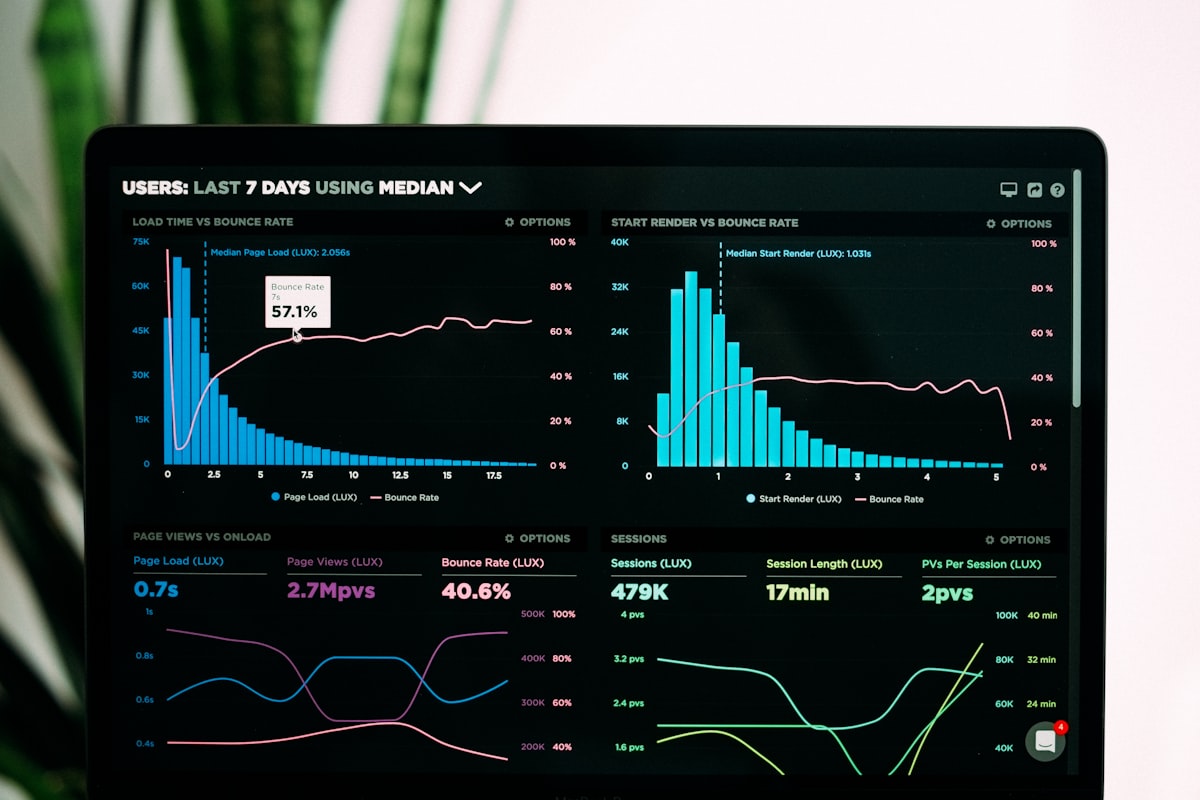
Having five open positions does not necessarily mean you are diversified. If all five positions are correlated — they tend to move together — you are effectively running one large position split across five instruments. A single macro event can hit all of them simultaneously.
Positive Correlations to Watch
Assets that tend to move in the same direction include: EUR/USD and GBP/USD (both weaken when the dollar strengthens), Gold and Silver (both react to USD movements and risk sentiment), Bitcoin and most major altcoins (altcoins typically follow BTC direction), and most equity indices during risk-off events.
If you hold long EUR/USD and long GBP/USD simultaneously, you are effectively doubling your exposure to USD direction. Be intentional about correlated positions — either accept the combined risk or reduce each position size accordingly.
Managing Correlated Exposure
Before adding a new position, consider whether it is correlated to your existing open trades.
If you hold two highly correlated positions, treat them as a single trade for risk sizing purposes — combine the exposure before calculating your 1–2% risk limit.
True diversification comes from positions that are driven by different underlying factors — for example, a USD/JPY trade (rate differential) alongside a Gold position (inflation hedge) alongside a single-stock equity position (company earnings).
During major risk events (central bank decisions, geopolitical shocks), correlations across all assets tend to spike. Reduce exposure before scheduled high-impact news if you hold multiple open positions.
Trading Psychology
No aspect of trading is more consistently underestimated by beginners than psychology. Most traders lose money not because they lack a good strategy, but because they are unable to execute their strategy consistently when real money is on the line. Understanding the emotional pitfalls is as important as understanding the markets.
Fear of Missing Out (FOMO)
FOMO leads traders to enter markets late — chasing a move that is already well underway. The market looks like it is going to infinity, so you jump in near the top, only for price to reverse immediately. Solution: define your entry criteria before the market moves. If price has already moved past your planned entry, the setup is gone — there will be another one.
Revenge Trading
After a loss, the emotional urge is to immediately re-enter the market to recover. This leads to impulsive, oversized positions taken without proper setup analysis. Revenge trading is one of the fastest routes to account blow-up. After any significant loss, step away from the screen for at least an hour before considering a new trade.
Overconfidence After Wins
A string of winning trades creates a false sense of invincibility. Traders begin taking larger positions, loosening stop losses, and entering marginal setups. They confuse a lucky streak with mastery. Then one losing trade at an inflated position size erases weeks of accumulated gains. Process discipline should not change based on recent results.
Paralysis by Analysis
The opposite of FOMO — some traders add so many indicators and conditions that they can never find a clear enough signal to pull the trigger. They miss good setups waiting for a perfect one that never comes. Define a simple, objective set of conditions for entry. When those conditions are met, execute. Deliberation after the fact costs you the trade.
Keeping a Trading Journal
A trading journal is the single most underused performance tool available to retail traders. It creates an objective record of your decision-making that allows you to identify patterns — both in the market and in your own behaviour — that are invisible in the moment.
What to Record for Every Trade
What the Journal Reveals
After 30–50 trades, your journal will reveal patterns that are impossible to see in real time. You might discover that your Monday morning trades consistently underperform. That you tend to widen stop losses on positions opened on Thursdays before major data releases. That your best-performing setups all share a specific combination of conditions you have not consciously articulated yet.
You will also see your psychological patterns clearly. If revenge trading after a loss is costing you, the journal makes it undeniable — you will see a cluster of over-sized, rushed trades after each major loss. That self-knowledge allows you to build protective rules into your process.
Review your journal weekly. Look for your best-performing setup type and concentrate on it. Look for your worst-performing behaviours and build rules to block them. The journal is the feedback loop that turns random trading into deliberate practice.
Risk Management Checklist
Before placing any trade, confirm each of these:
I know exactly where my stop loss will be
I know my take profit target
My risk on this trade is under 2% of my account
My risk/reward ratio is at least 1:1.5
I have a reason for this trade (not just a feeling)
I am not trading to recover losses from a previous trade
I understand the current market conditions
I have enough margin to withstand normal volatility